
Rowing for Strength
Is rowing strength training? Yes. Every drive loads your legs, hips and back in one low-impact push. How to row so each stroke builds real strength.
You finish twenty hard minutes on the erg, legs still humming, and a mate nods at the squat rack. “Good warm-up. When’s the actual strength work?”
Rowing has a filing problem. It got put in the cardio folder, next to the treadmill and the bike. So the loading it does never gets counted.
Here’s the straight answer: yes, rowing is strength training. Every drive on a rowing machine is a loaded push. Your legs press, your hips hinge, your back braces, your arms finish. One session strings together hundreds of those repetitions with no impact on your knees or hips. What follows is where that load actually comes from, and how to row so each stroke builds strength instead of just filling time.
The drive is a push, not a pull
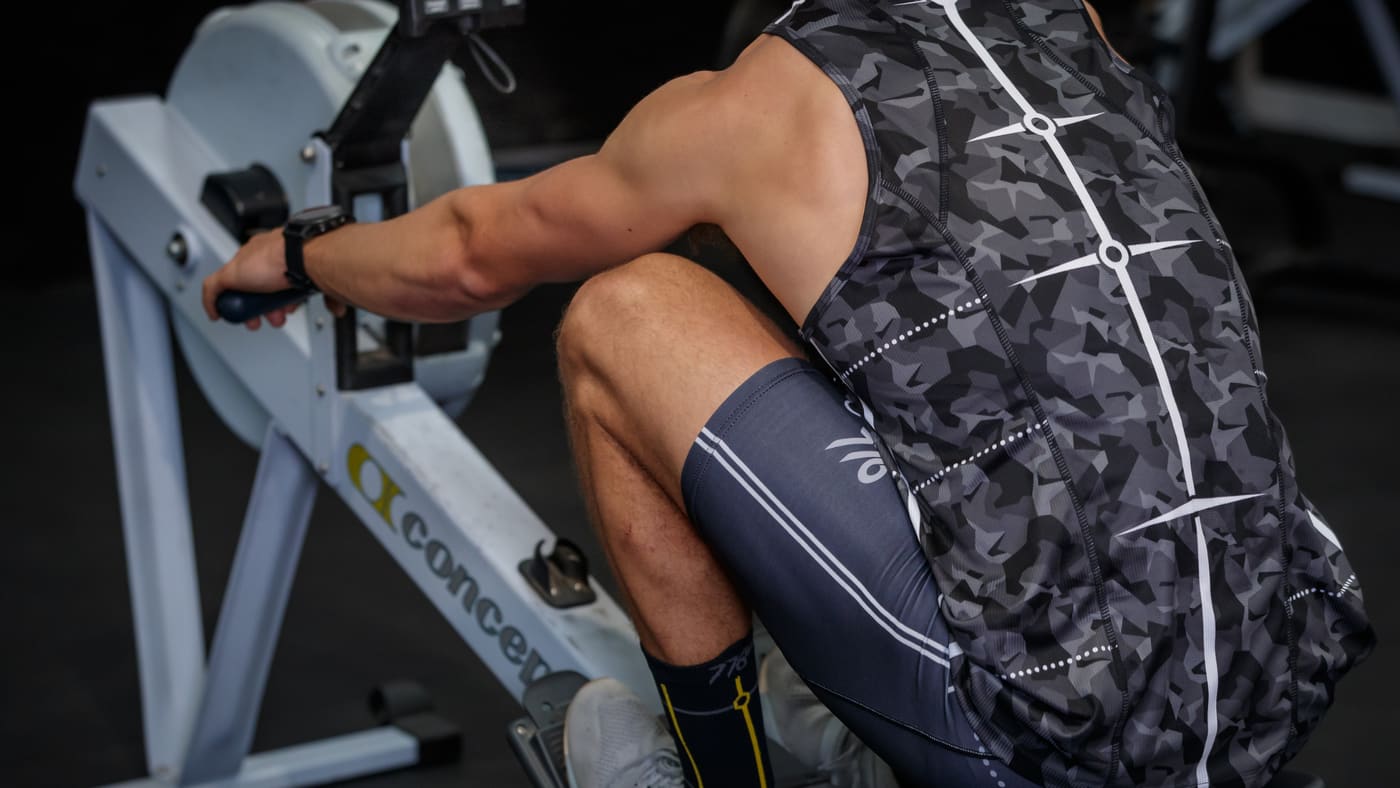
Watch someone row well and the arms are the last thing moving. The stroke starts as a leg press. Feet drive, hips open, and the handle comes along until the very end. That push pattern is the same shape you’d load under a squat or a deadlift, which is why the erg works your legs, glutes and back far more than your arms.
And the machine meets you exactly where you are. The flywheel only gives back what you put in.
On your next row, think push. Drive the legs first and keep the arms long until the legs have finished. Feel where the effort lives. The full sequence is in push before you pull.
The load lives in the stroke, not the damper
The damper lever looks like a weight stack, so people crank it to ten and call that strength work. It isn’t a weight stack. It changes how the resistance feels, not how much training you’re doing. The load is set by how hard you drive, and the screen reports it in watts. That story is told properly in the damper is not a difficulty knob.
Which means you can borrow the oldest rule in the weight room: heavy sets use fewer reps and more load per rep. On the erg, lower the stroke rate and put more into each drive. A soft pull at a high rate spins the wheel without loading much of anything. A committed drive at rate 20 makes every stroke a deliberate rep.
Try it. Take ten minutes, drop the rate to 20 or below, and hold the watts you’d normally see at your usual rate. More on reading that number in why elite rowers use watts.
What the erg won’t do
It won’t replace a barbell for maximal strength. If your goal is a heavier one-rep max, keep lifting, and no honest coach will tell you otherwise. What the erg builds is strength you can repeat: legs, hips and back producing force stroke after stroke, long after a heavy set would have ended, without your joints paying the bill.
So put it beside what you already do, not instead of it. Lifters get loaded conditioning between heavy days. Everyone else gets the gentlest serious loading in the gym.
The next time someone nods at the squat rack, you don’t need the argument. You were mid-set the whole time. When you want that work structured for you, low-rate power sessions included, explore the programmes in the Row Nation app →

Keep reading
More insights

AIRO26
AIRO26: Entries Open
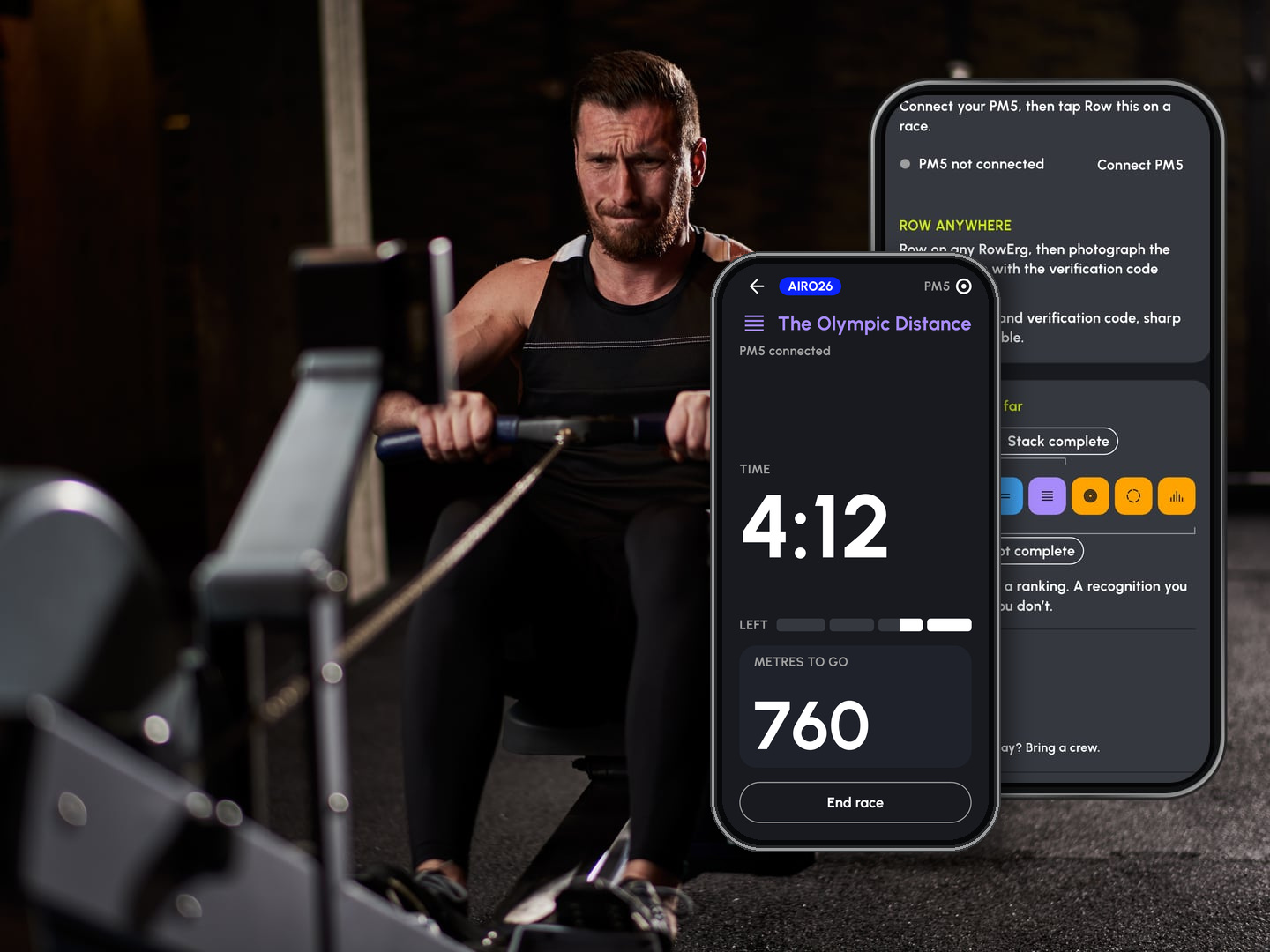
AIRO26 runs 24 October to 1 November 2026. Race your piece, build your team and climb the national leaderboard.
22 Oct 2026
AIRO26: update your app and get ready for 24 October
Get ready for AIRO26 on Saturday 24 October: update the Row Nation app, then read the rules before your first event row.
12 Oct 2026
Nominate your students for the Golden Oar 4x500m RowErg Relay
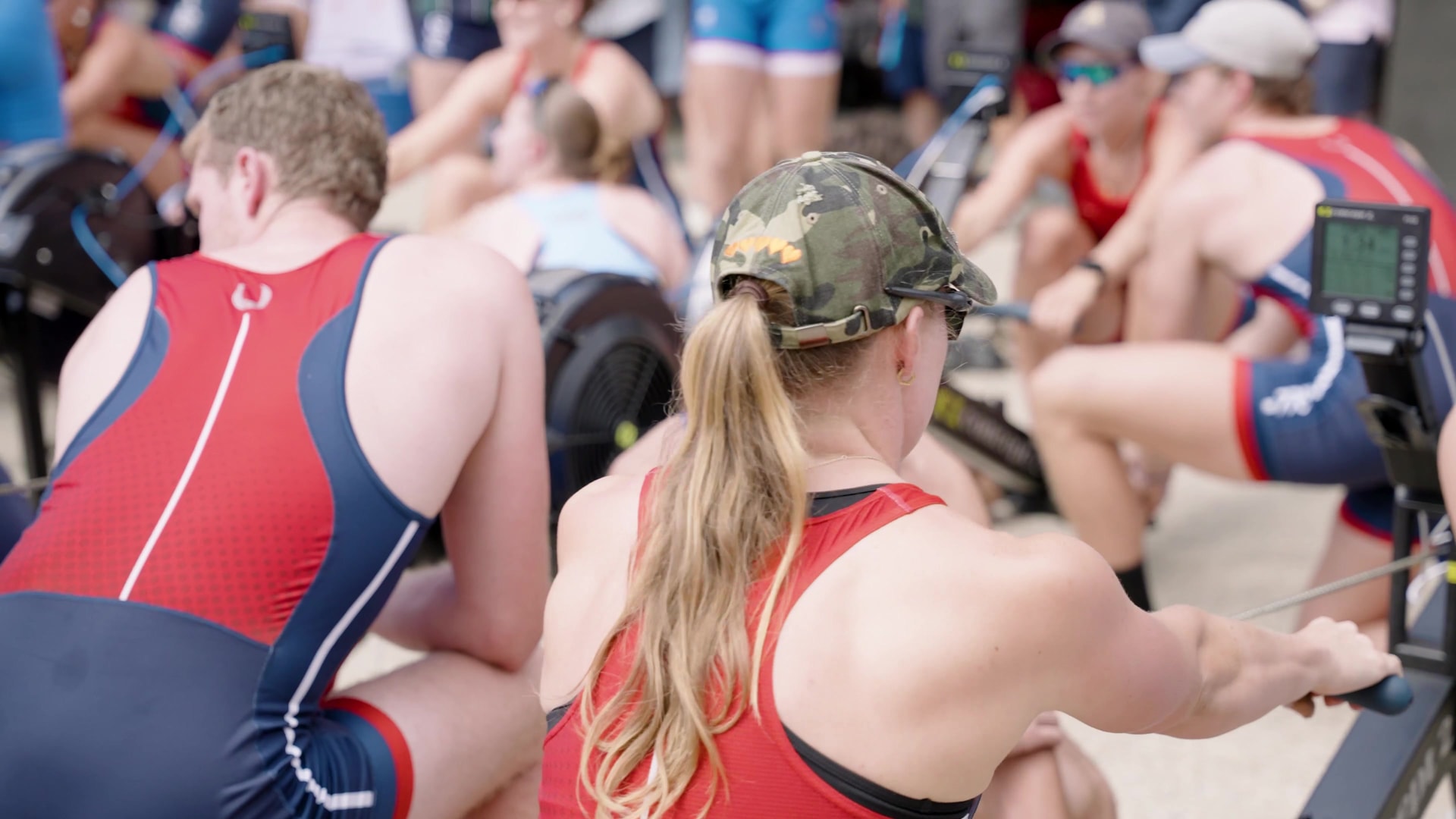
Every team has one school boy and one school girl, racing 4 x 500 m with Rowing Australia athletes on Saturday 31 October. Nominations close Monday 26 October.