
The damper is not a difficulty knob
Cranking the damper to 10 doesn't make you a better rower. It changes the feel, and often works against you.
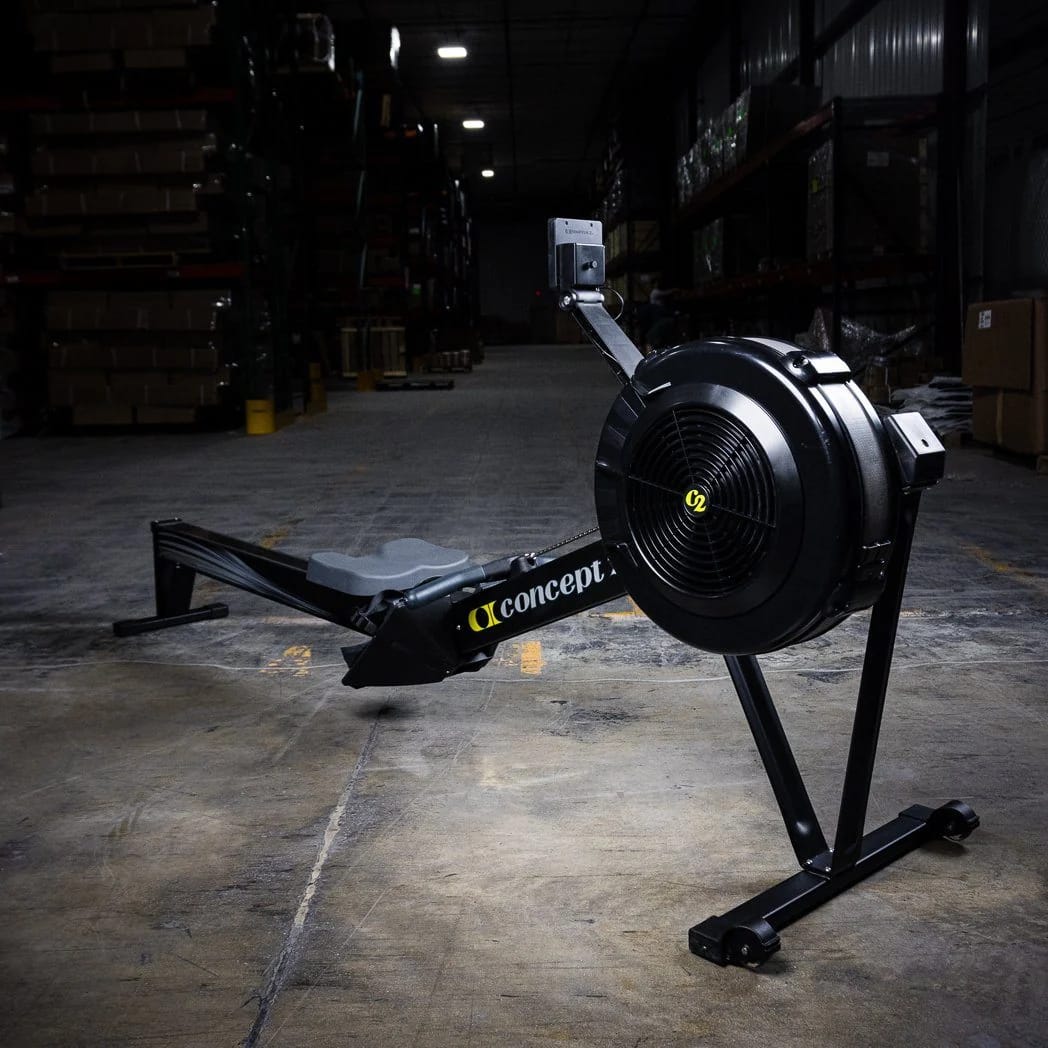
Walk past the rowers in most gyms and they’ll all have one thing in common: the damper’s on 10. There’s a stubborn myth that the lever on the side of the flywheel is a “difficulty knob”: a level, like the incline on a treadmill. It’s one of the most misunderstood parts of the machine.
Setting the damper to 10 doesn’t mean you’re working harder. It just changes how the machine feels, often for the worse.
What drag factor actually is
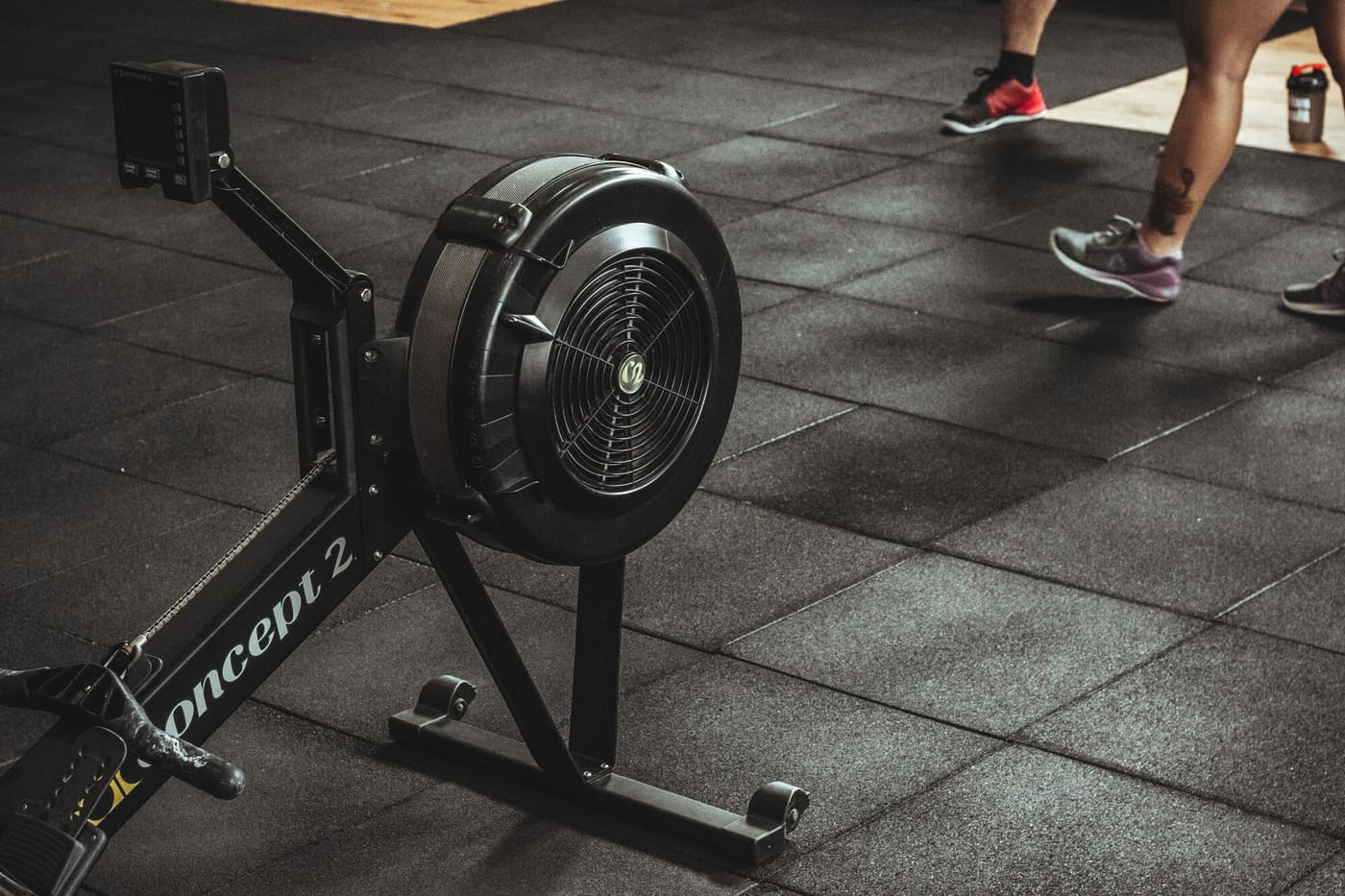
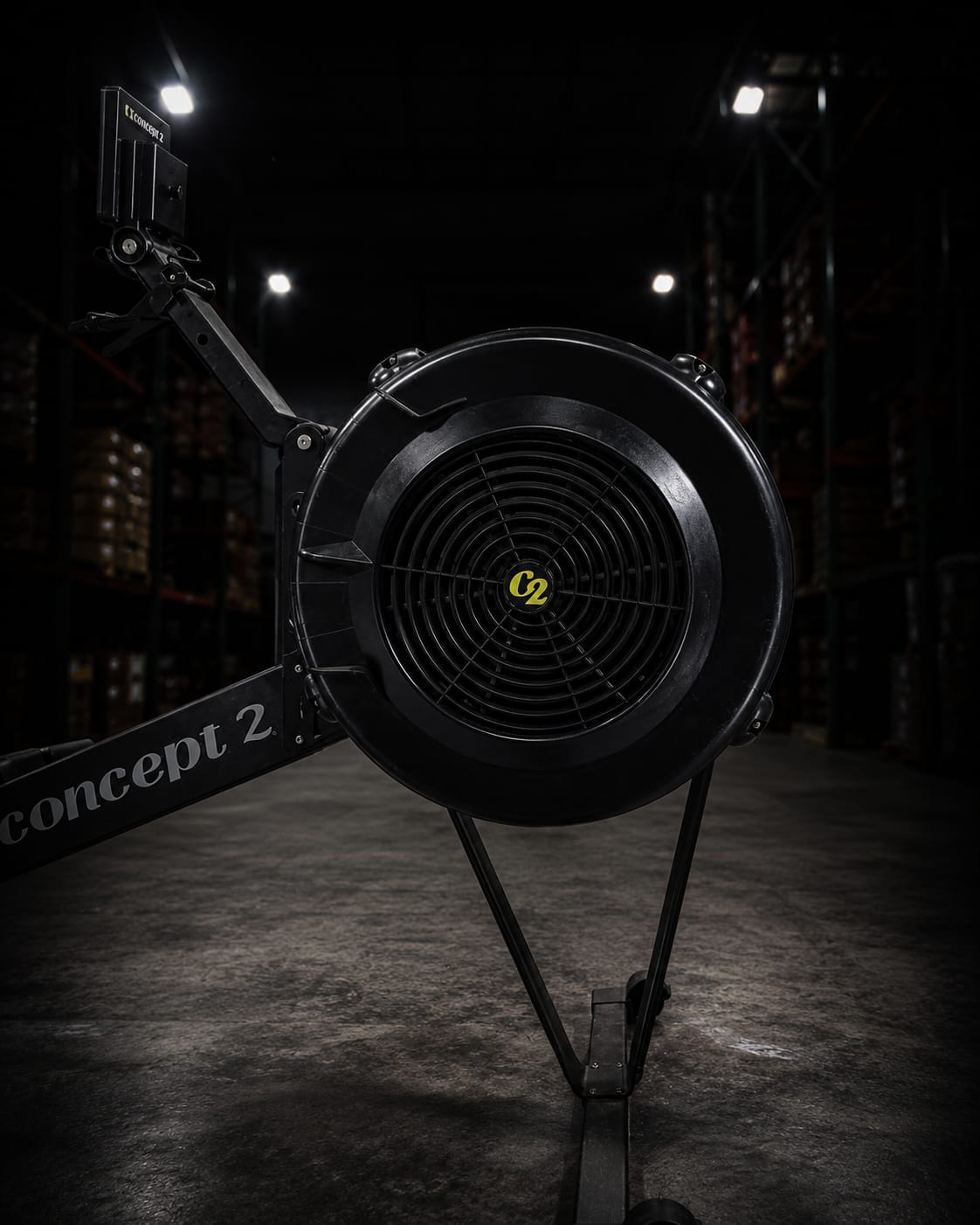
The damper controls how much air gets into the flywheel housing. Higher (10) lets in more air, so the flywheel slows down faster between strokes. Lower (1 to 3) lets in less, so it keeps spinning more freely. That’s “drag factor”.
Think of it like gears on a bike. A high damper is a heavy gear: hard to get moving, big grunt per stroke. A low damper is a light gear. Plenty of experienced rowers train at a lower setting than you’d expect, closer to the middle of the range than the top. Many sit around a damper of 3 to 5, which on most machines puts the drag factor near 120.
Why “heavier” isn’t “better”
Row on a damper that’s too high and it’s much harder to hold good technique. The heavy load tempts you to yank with your arms and back because your legs can’t overcome it fast enough, which fatigues you early and loads your lower back.
Ease the damper down and the flywheel spins more freely, encouraging a faster, more explosive leg drive, where the real power in rowing comes from. You’ll hold better rhythm and row longer with more quality.
Set it by the number, not the lever
Here’s the catch: the damper numbers aren’t standardised. A “5” on a well-used gym machine can pull very differently to a “5” on a clean one, because dust in the flywheel housing (and even altitude) changes how much air actually gets in. The lever is only a rough guide. The number that actually matters is the drag factor, and your monitor can show it to you.
On the PM5, go to More Options → Display Drag Factor (it also flashes up in your first few strokes). That gives you the real figure, whatever the sticker on the lever says.
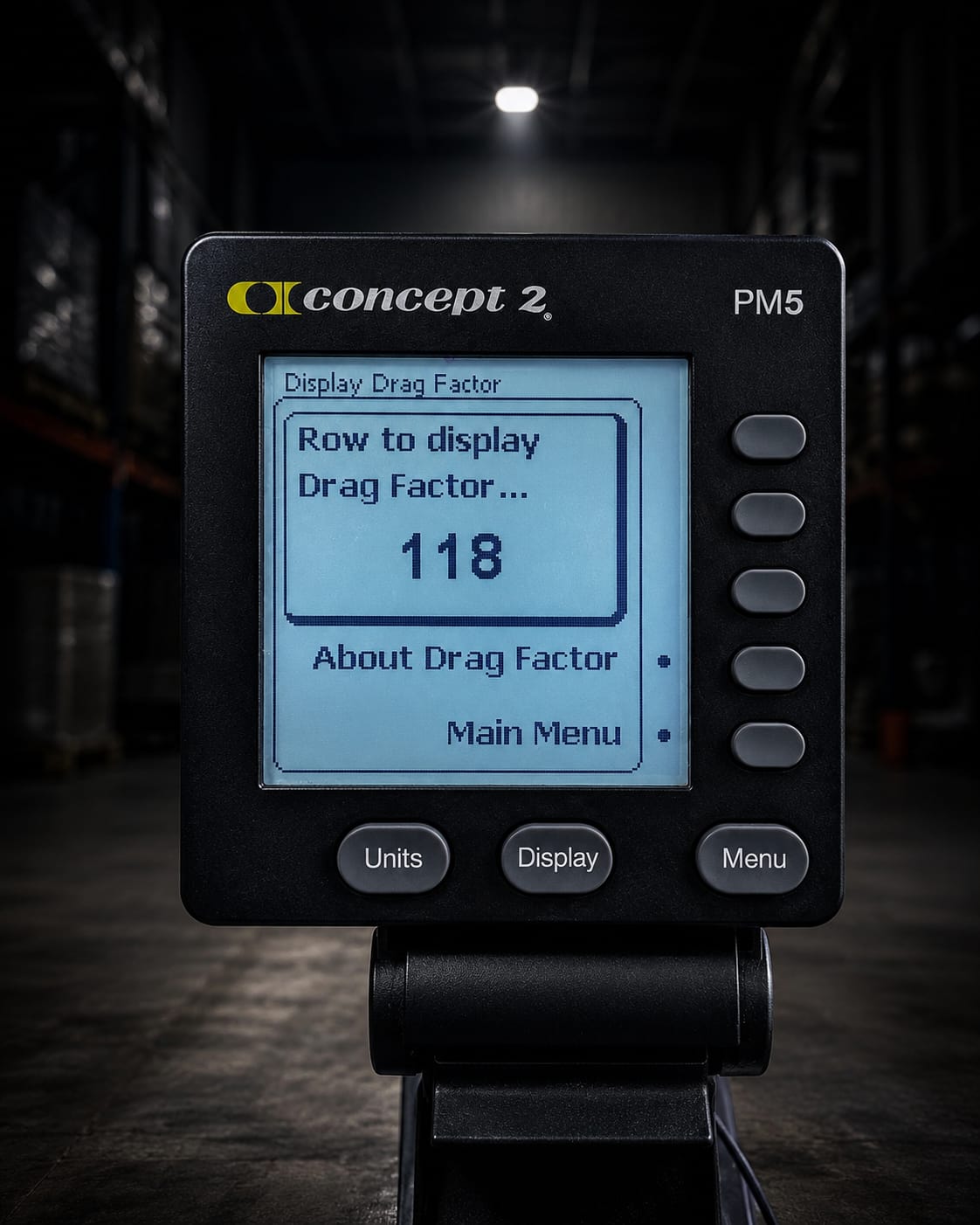
Most rowers keep their drag factor somewhere between 110 and 130: light enough to move the flywheel with a quick, powerful drive, heavy enough to feel connected. Nudge the lever up or down until the monitor lands you in that window, note where it sits on that machine, and you’ve got a setting you can repeat anywhere.
Lighter can mean harder
Here’s the best-kept secret: you can often work harder at a lower damper. Because the machine’s easier to move, you can put more power through your legs and get a better split without the heavy, grinding feel that wrecks your form.
Next time, ignore the “10”. Start lower and see how much more powerful you feel.
Row Nation app programs are built to work with a properly set drag factor.

Keep reading
More insights
AIRO26
AIRO26: Entries Open
AIRO26 runs 24 October to 1 November 2026. Race your piece, build your team and climb the national leaderboard.
22 Oct 2026
AIRO26: update your app and get ready for 24 October
Get ready for AIRO26 on Saturday 24 October: update the Row Nation app, then read the rules before your first event row.
12 Oct 2026
Nominate your students for the Golden Oar 4x500m RowErg Relay
Every team has one school boy and one school girl, racing 4 x 500 m with Rowing Australia athletes on Saturday 31 October. Nominations close Monday 26 October.