
Winter is base season
Steady winter rowing builds the aerobic engine everything else runs on, and a proper base block takes exactly as long as there is until spring.
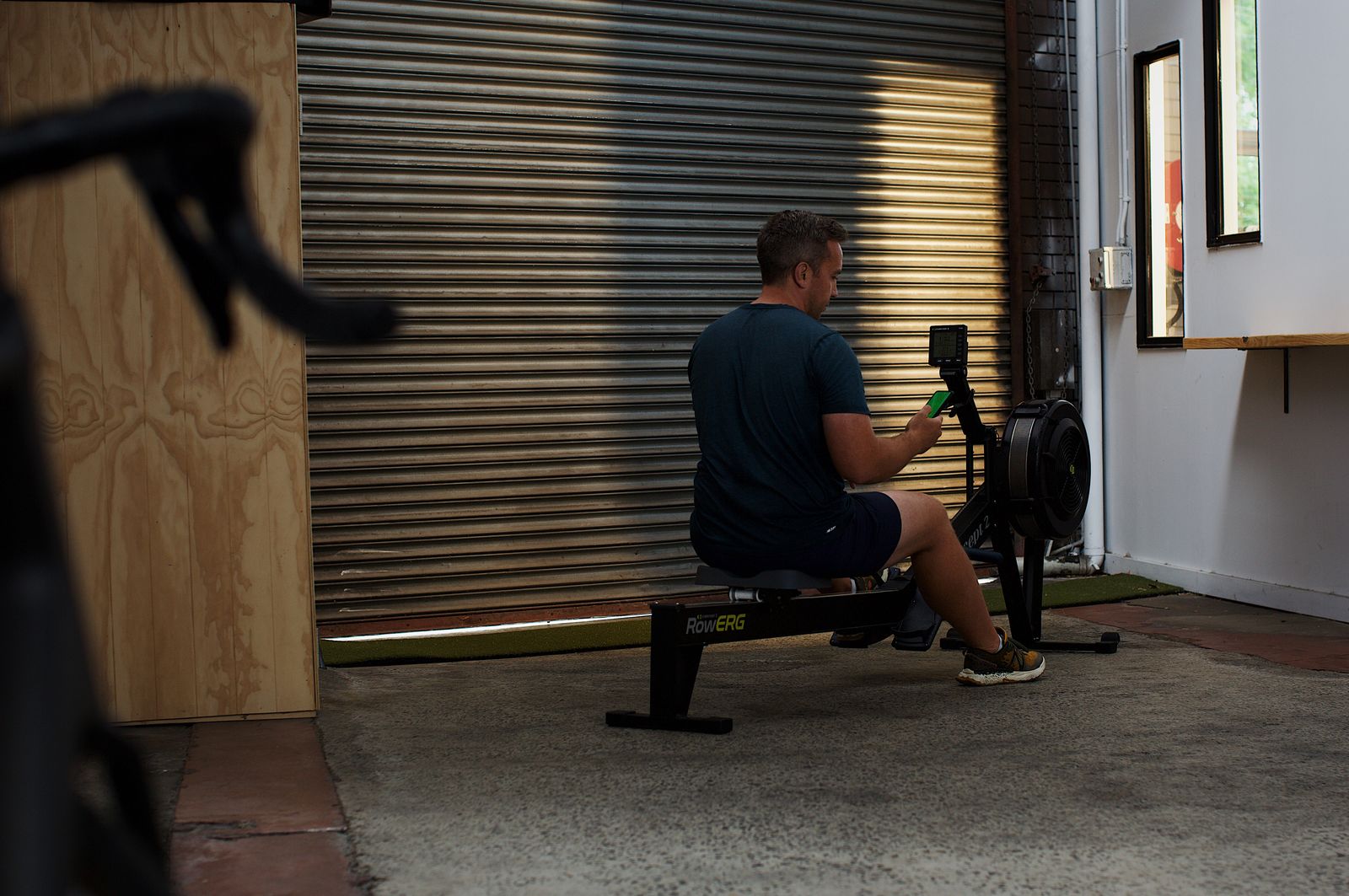
Six weeks from now, spring arrives. That’s easy to forget in a cold gym in the middle of July. Your breath is visible before you’ve even sat down on the rower, and half your mind is on writing the whole month off until the weather turns. Do the maths instead. Six weeks to spring is exactly how long a proper base season takes on the Concept2 RowErg. The timing is deliberate, not a coincidence.
Winter is base season: six weeks of steady, repeatable rowing that builds the aerobic engine everything else in the year runs on. Row Nation’s Foundations & Flow puts that exact six weeks on a calendar, with row-along sessions led by Olympian Angus Dawson and two fellow Australian Rowing Team athletes. A block that starts this week finishes the week spring turns.
Twelve minutes into one of those easy pieces, watts sitting low, breathing under control, it doesn’t feel like training at all. Some part of you wants to pull harder just to earn the session. That itch is the whole test of winter, and a six-week clock is what makes it worth resisting.
Three days, or just one
Each week of the block carries three sessions, video-guided row-alongs done on your own schedule. Some weeks you’ll get to all three. Plenty of weeks, especially early on, you won’t, and that’s built into the plan rather than a failure of it. Show up for one session and the week still counts. The six weeks are built around what a winter Tuesday actually looks like, not around everyone managing three sessions every week. That flexibility is the whole design of Foundations & Flow in the app.
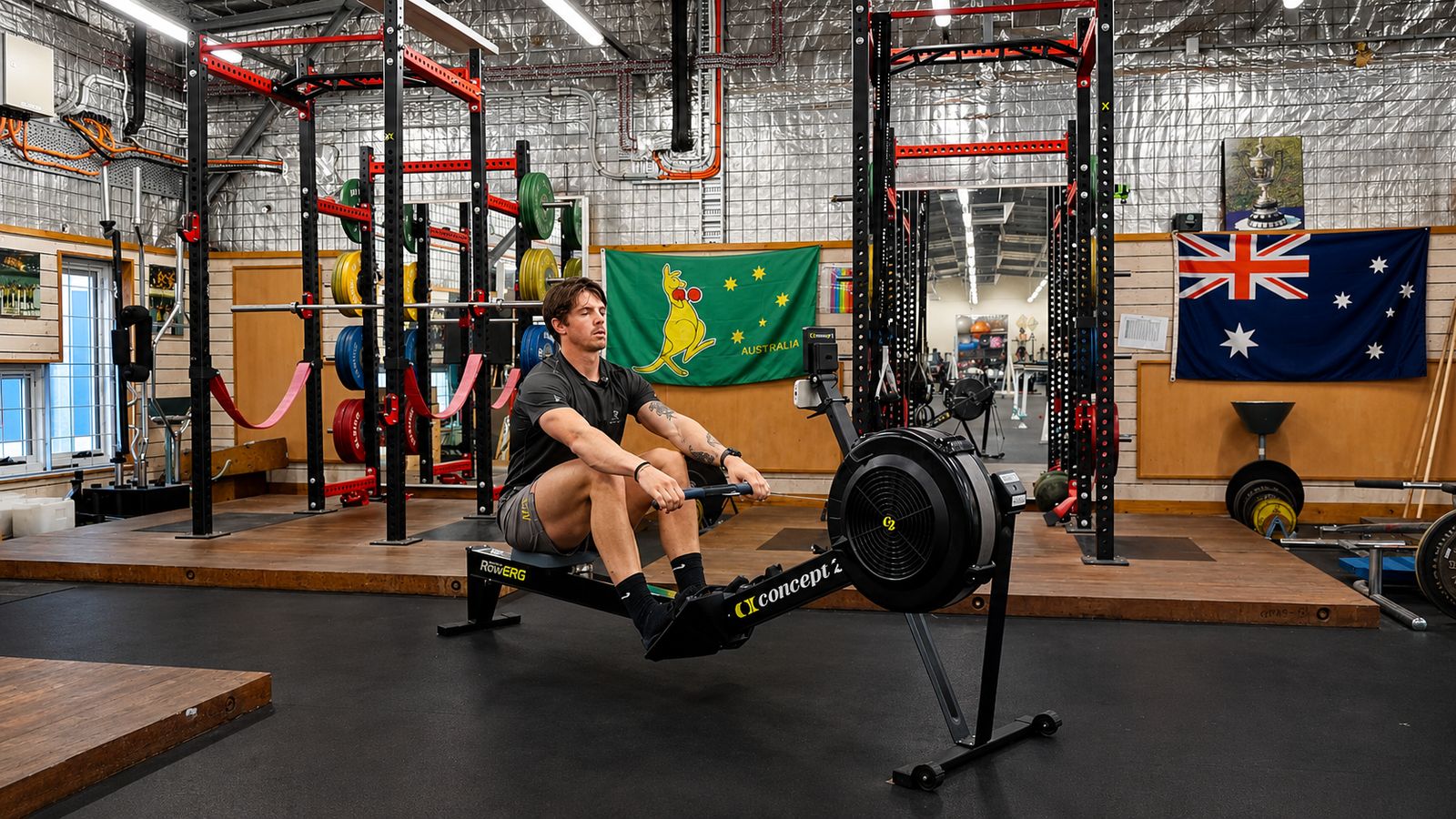
Show up for one session and the week still counts.
The work builds while it looks like nothing
On the RowErg that means long, controlled pieces at a conversational effort, roughly 18 to 24 strokes a minute, watts held steady rather than chased. No sprints anywhere in the six weeks. What does move is the volume. Minutes and watts both tick up week by week. Technique is never the thing that gets traded away to get there: the same clean catch and controlled finish in week six as week one. We’ve written before about why rowing slower makes you fitter; this is where that idea actually gets cashed in.
It’s worth trusting on the weeks it feels like nothing is happening, because base training pays back on a slower clock than hard training does. A hard session hands you proof inside the hour: a monitor you can’t stop checking, legs that won’t hold you up properly. Base season’s proof arrives three weeks late, as the same easy effort quietly produces a few more watts for no extra cost in breath. It takes weeks, not minutes. So does spring, this time of year.
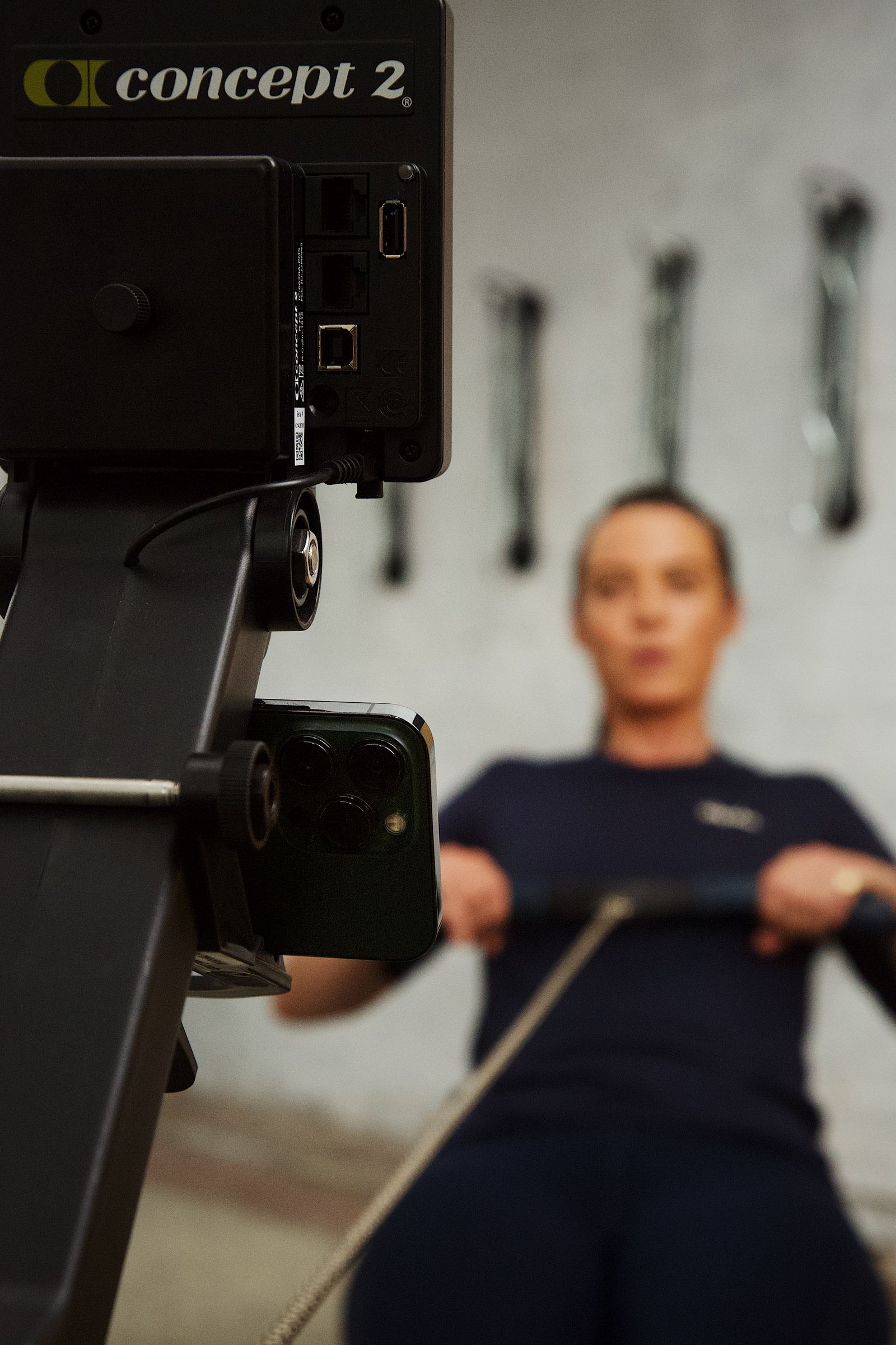
Base training pays back on a slower clock.
The block closes in week six with one calm, continuous 30-minute row at your own steady pace, the same week spring actually arrives. The finish line is a plain workout. The pace is one that would have felt like nothing back in week one; now it’s simply your normal effort, held a lot longer. Spring won’t turn up feeling like a different season this year. It’ll turn up feeling like the one you were already ready for.

Keep reading
More insights

AIRO26
AIRO26: Entries Open
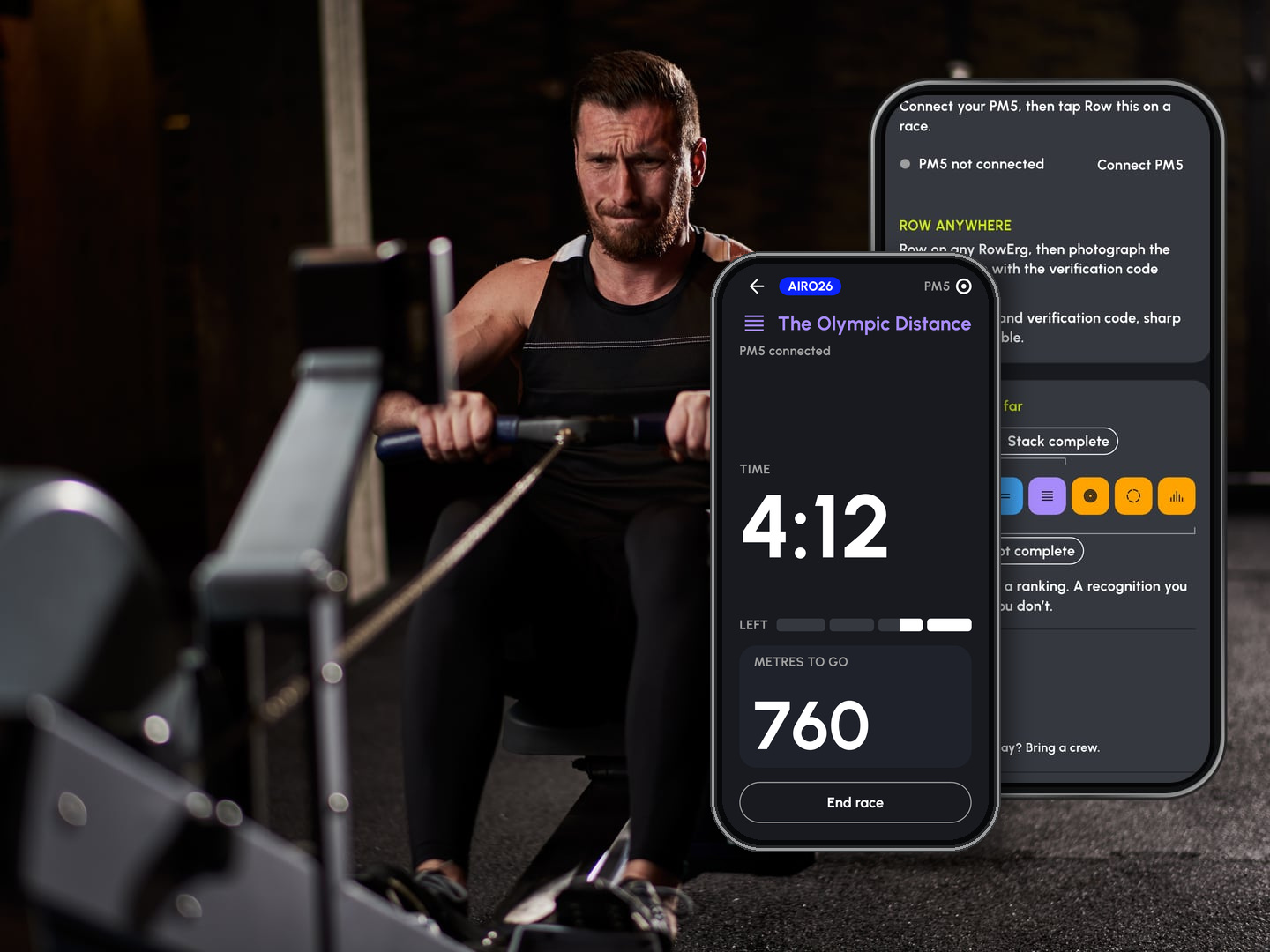
AIRO26 runs 24 October to 1 November 2026. Race your piece, build your team and climb the national leaderboard.
22 Oct 2026
AIRO26: update your app and get ready for 24 October
Get ready for AIRO26 on Saturday 24 October: update the Row Nation app, then read the rules before your first event row.
12 Oct 2026
Nominate your students for the Golden Oar 4x500m RowErg Relay
Every team has one school boy and one school girl, racing 4 x 500 m with Rowing Australia athletes on Saturday 31 October. Nominations close Monday 26 October.