
If there's a Concept2, there's a start line
You don't need a boat, a river or a club to race. Every RowErg on earth is the same start line, and Australia races on it.
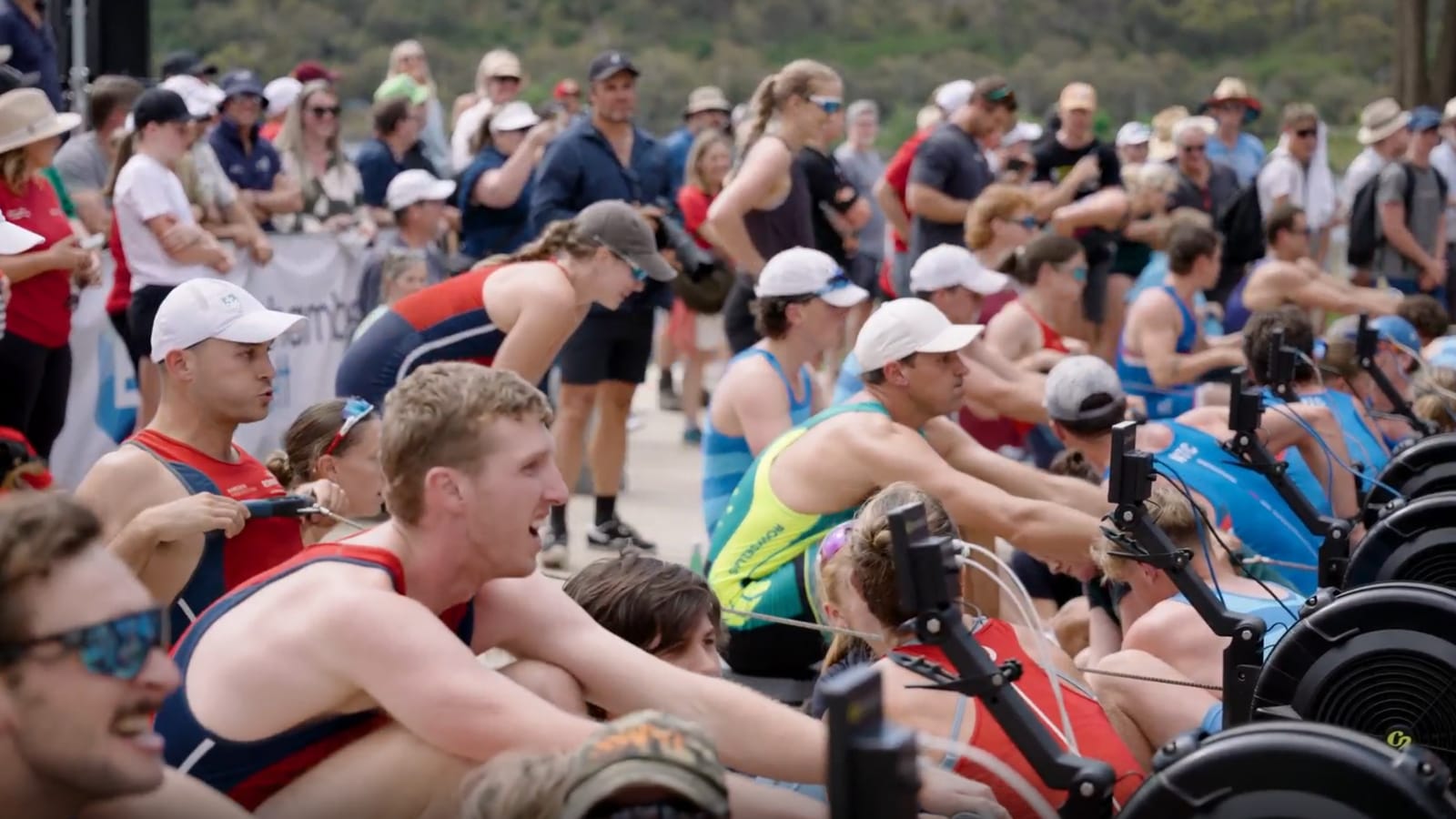
The rowing machine was never meant to be a sport. It was built as a stand-in, a way for rowers to keep training when the water wasn’t an option. Racing it was an accident: within about a year of the first Concept2 reaching the market in the early 1980s, a group of Boston rowers lined their training machines up in a hall one winter and raced them. The joke event became an annual one, the annual one spread across the world, and in 2018 World Rowing made it official with world indoor championships of its own. The machine built to imitate the sport had become one.
That accident contains the only growth story indoor rowing has ever had, and it’s worth understanding, because AIRO is its next chapter.
How this sport grows
Rowing on water is magnificent and gated. It needs a boat, a river, a club, a season, and usually a childhood that included at least one of those. Indoor rowing’s entire history is the story of those gates being removed one at a time. The machine removed the boat and the river. Racing the machine removed the season. And once the monitor could talk to the internet, the last gate started to swing: the venue itself.
Every time a gate came down, the sport didn’t just get bigger, it got different. People arrived who would never have called themselves rowers: gym athletes, masters starting at fifty, school kids a long way from water. Growth in this sport has never meant persuading more of the same people. It has meant widening the door.
Last year was Australia’s turn
AIRC25 was our proof that the widest version of the door holds. Over nine days late last year, 414 people raced Australia’s national indoor championship from wherever their machine lived: 73 affiliations, 1,073 entries, 55 relay teams, 1,156,968 metres, every result verified and landing on one national leaderboard.
The sharp end was genuinely sharp. Richard Tomlinson pulled a 6:17.8 at ERGfit and moved the Men 60 to 64 2,000 m standard. Nathan Couper swept all four distances. But look at who else the open door let in: two women in the 70 to 74 age group racing indoors for the first time, 80 Canberra Grammar students logging 224,000 metres, nine members of a small regional club turning their week into 15 podium finishes, and one entrant racing in Australian colours from her home gym.
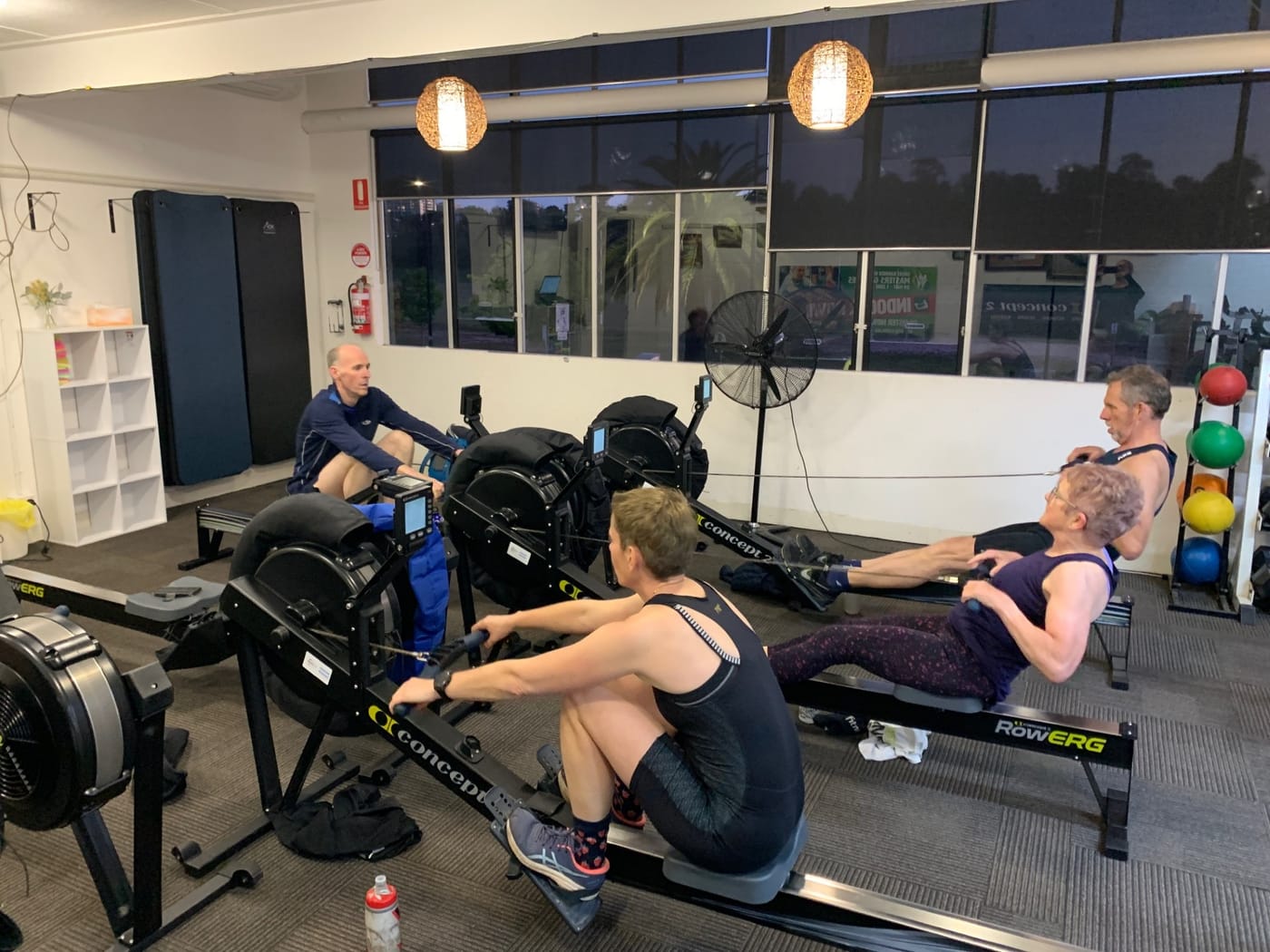
The wrap’s quietest line is the one we keep coming back to: alongside the records sat dozens of personal bests filed quietly in hubs and garages. A first honest 2k. A first relay. That is what a wider door actually produces, and no gate that fell ever diluted the racing at the front.
What AIRO is
The Australian Indoor Rowing Open: one national window, open to the world, raced on any Concept2 with a PM5, wherever yours lives.
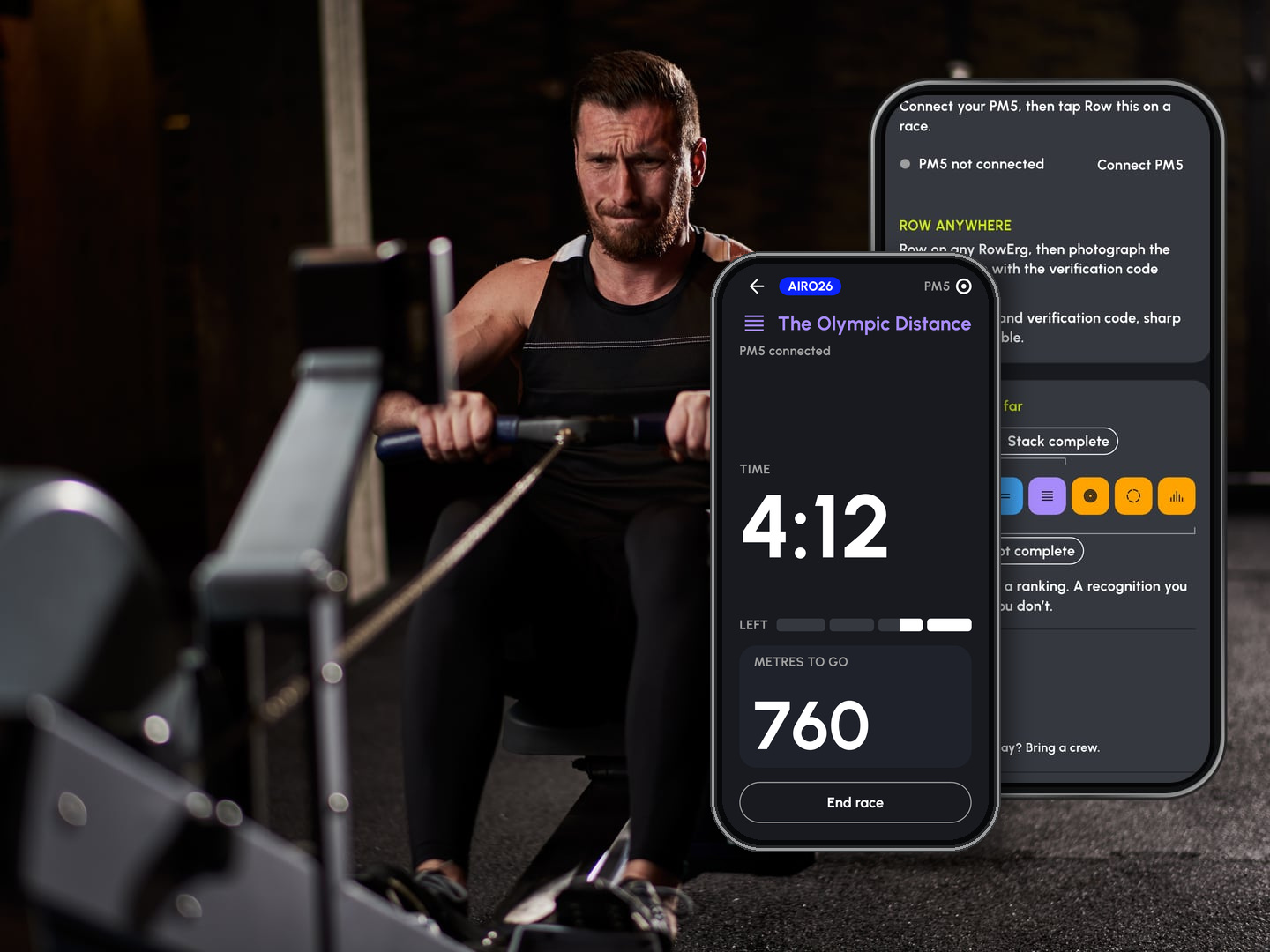
Entering is simple. Connect the Row Nation app and your result is verified and submitted automatically. Prefer a photo? A clear shot of your monitor counts too, just like last year. Either way, your race lands on one open leaderboard, with boards inside it for your age, weight class and club. Every result is scored with Adjusted Work Points, a published handicap that levels for age, gender and, for verified lightweights, weight.
The championship is still here too. The Australian Indoor Rowing Championships runs inside AIRO as the officiated tier for Australian residents, where national titles and records are won.
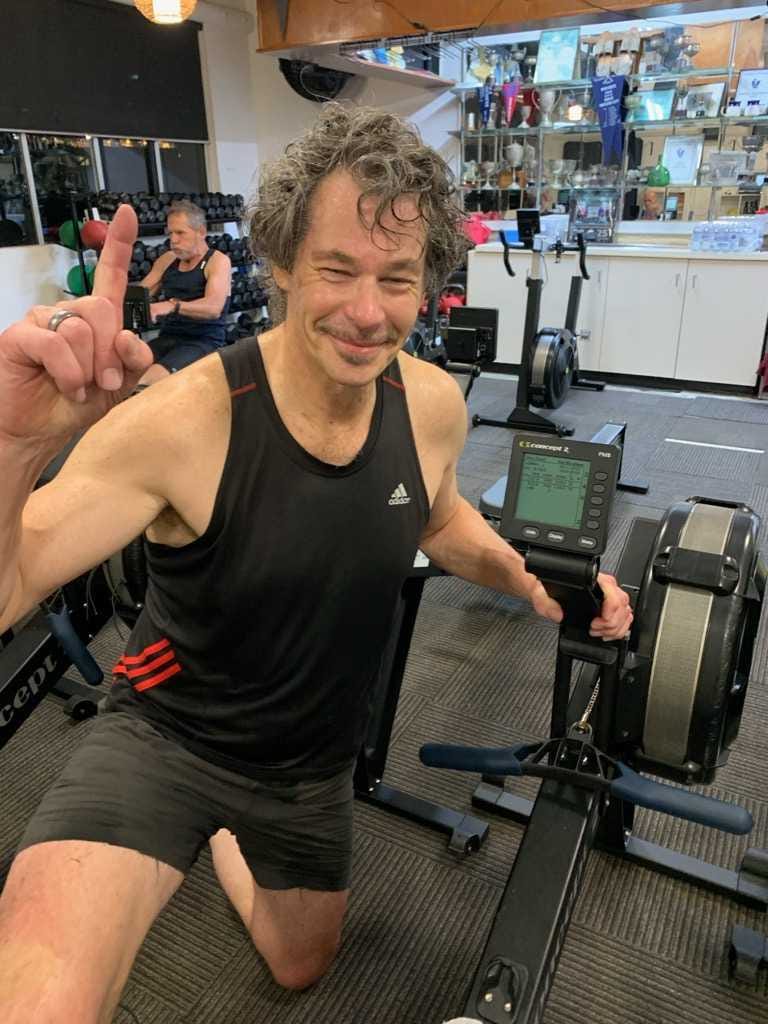
The boat, the river, the season and the venue are all gone. What’s left is you, the machine, and the field.
This year the door is the widest it has ever been
414 people is a strong first field. It is also a fraction of the RowErgs sitting in Australian garages, gyms, clubs and schools right now, and that gap is not a problem to manage. It is the whole point of this year.
Here’s the honest case for being one of the new names. A leaderboard means more with every name on it: fuller age groups put your result among real peers, and the person one row above you becomes the rival you didn’t know you had. A start line changes your training the day you commit to one, months before you sit on it. And fifty years of this sport says the next chapter is always written by the people who walked through the newly opened door, not the ones already inside.
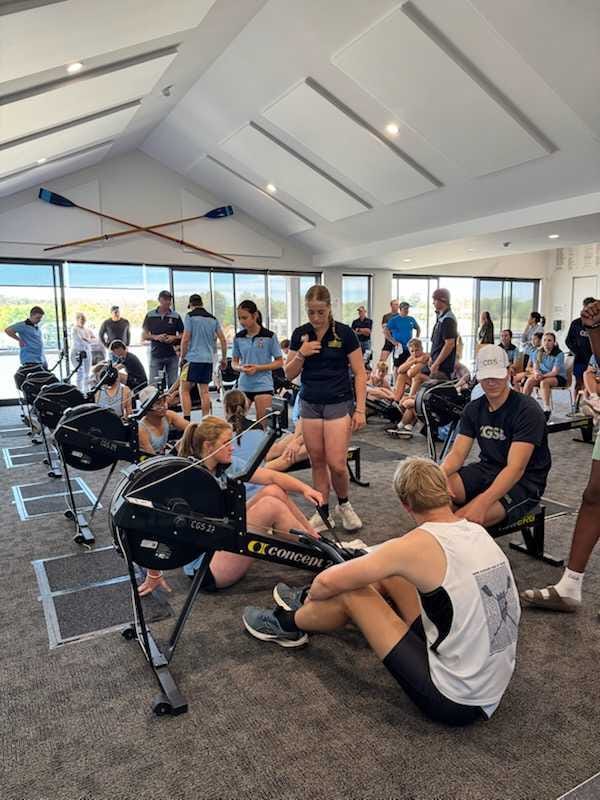
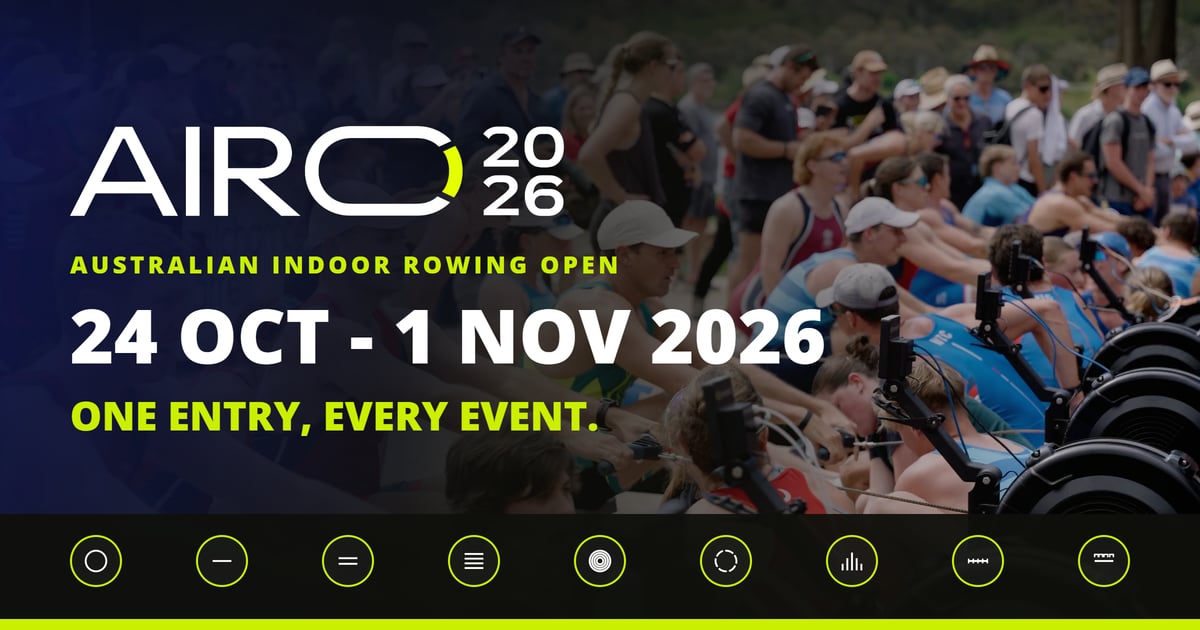
Entries are open for AIRO26, 24 October to 1 November 2026. Enter AIRO26: it puts your name exactly where this story goes next. Because that’s the whole lesson of the last fifty years: if there’s a Concept2, there’s a start line. One of them is yours.

Keep reading
More insights
AIRO26
AIRO26: Entries Open
AIRO26 runs 24 October to 1 November 2026. Race your piece, build your team and climb the national leaderboard.
22 Oct 2026
AIRO26: update your app and get ready for 24 October
Get ready for AIRO26 on Saturday 24 October: update the Row Nation app, then read the rules before your first event row.
12 Oct 2026
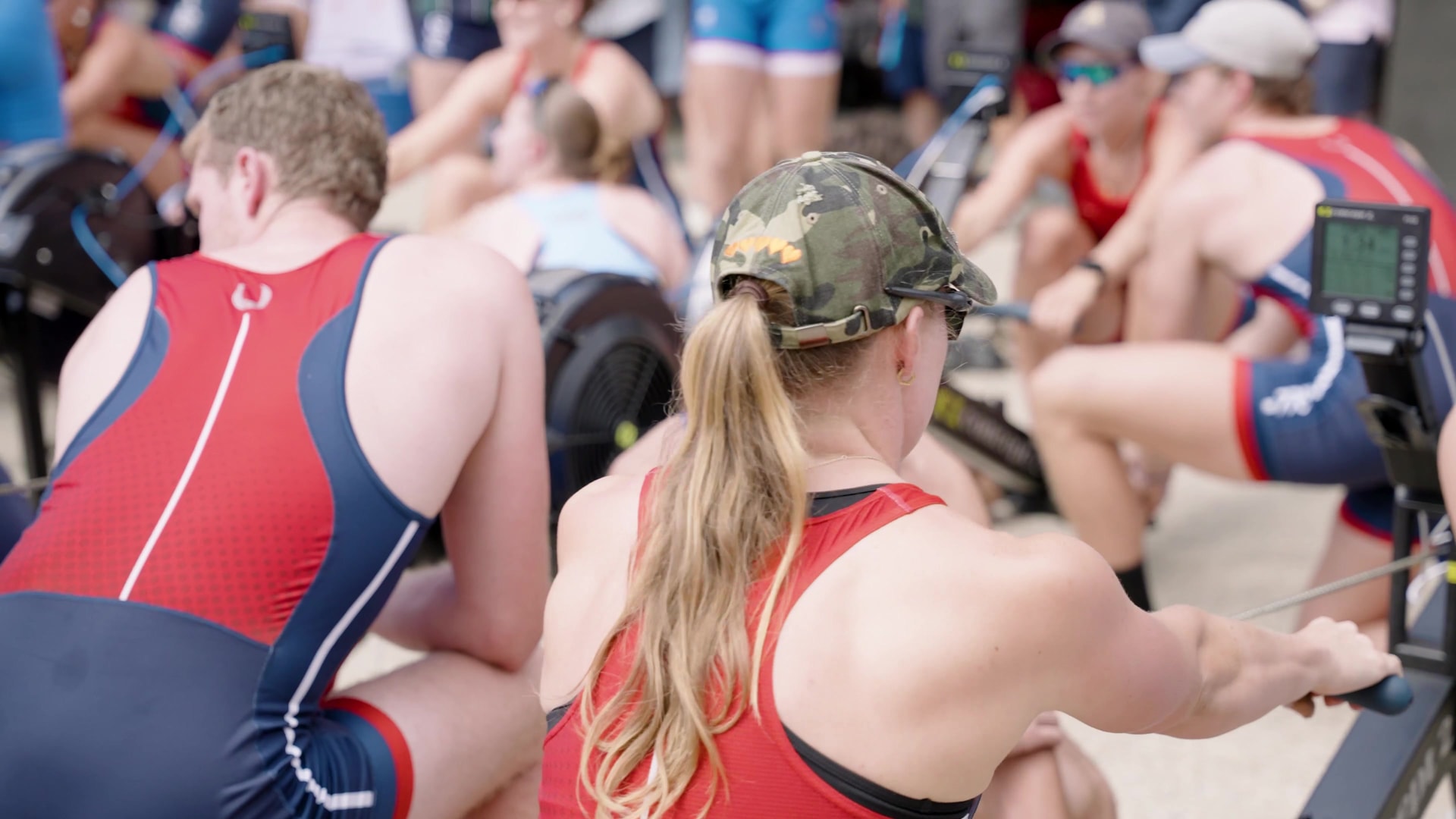
Nominate your students for the Golden Oar 4x500m RowErg Relay
Every team has one school boy and one school girl, racing 4 x 500 m with Rowing Australia athletes on Saturday 31 October. Nominations close Monday 26 October.